




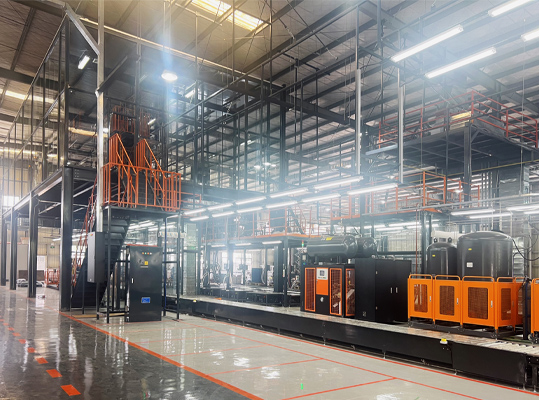
The principle of heat pump
The core principle of a heat pump is the "reverse Carnot cycle" - by consuming a small amount of high-grade energy to drive the compressor to do work, heat is "transported" from low-temperature heat sources (such as air, water, soil) to high-temperature heat sources (such as indoor and water tanks), achieving the "upgrading and utilization" of heat, rather than directly "producing" heat (different from the energy conversion of electric heaters).
Intelligent Internet of Things Technology
User centered design, equipped with clear menus, customized displays, and easy settings. Environmentally friendly design, equipped with precise temperature and humidity sensors, and visualized power usage data.
supports automatic matching and easy installation; Provide a power data visualization interface covering ten years, with remote diagnosis and update functions. Remote platform: define role hierarchy, ensure secure access and real-time system operation monitoring to quickly solve problems.
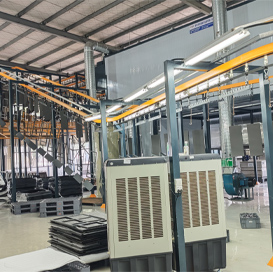

Safety protection
The multi-layer safety protection technology in the air source to water heat pump system includes multiple functions, such as refrigerant leak detectors, advanced antifreeze logic, and refrigerant/water separation devices. These features ensure the safety of customers. And by preventing overheating, reducing electrical faults, monitoring temperature for anti freezing protection, and preventing refrigerant water pollution, the reliable operation of the system is ensured.
- The multi-layer safety protection technology
- such as refrigerant leak detectors
- advanced antifreeze logic
- the reliable operation of the system is ensured.